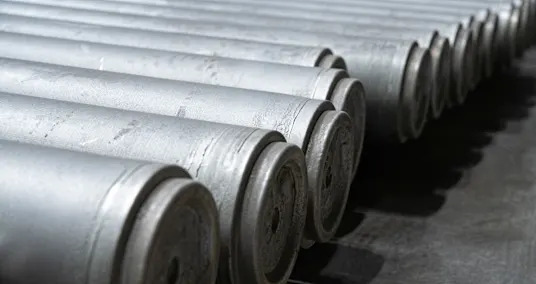
Fears of global aluminium shortages that could affect the production of clean energy technologies intensified after Iran struck two major Gulf aluminium producers, sending prices to a four-year high. The Middle East accounts for 9% of the world’s production of aluminum, which is essential to a wide range of industries from transportation, construction, and packaging, as well as the manufacture of solar panels, electrical transmission systems, wind turbines, and EVs.
Export shipments to the US and Europe had already come to a halt because of the effective closure of the Strait of Hormuz, and Morgan Stanley economists singled out aluminium as carrying a high level of risk across the value chain. Andy Farida, an aluminium analyst at Fastmarkets, told Semafor that high prices would be passed on to end-users, ultimately causing demand destruction. “A prolonged shutdown (with little to no alternative supplies other than Russia and China) could cripple the supply of aluminium to support the production of clean and green technology,” he said, adding that relief could come “if governments allow some sanctioned Russian and Chinese aluminium to be imported.”

latest_posts
- 1
 Weight-loss pill approval set to accelerate food industry product overhauls
 - 2Interstellar comet 3I/ATLAS to pass closest to Earth on Friday
- 3The Significance of Prenuptial Arrangements in Separation Procedures
- 4Greece eyes migrant repatriation centres outside the EU
- 5Figure out How to Augment Your Rooftop Substitution Speculation


- CDC vaccine panel delays vote to stop recommending hepatitis B shot at birth
- WATCH: IDF strikes, dismantles missile launchers in southern Lebanon
- Pick Your Favored kind of books
- Supreme Court case about ‘crisis pregnancy centers’ highlights debate over truthful advertising standards
- Building an Individual Brand: Illustrations from Powerhouses
- Find the Historical backdrop of the Modern Unrest: Changing Society and Innovation
- German police 'cleared path for fascists with batons,' protesters say
- The most effective method to Keep up with Proficient Handshakes in a Computerized World
- Understanding climate change in America: Skepticism, dogmatism and personal experience