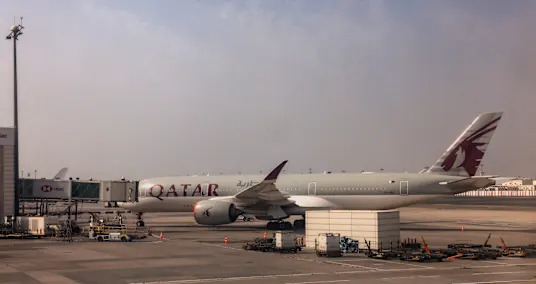
The Iran war is reshaping international aviation, with Gulf carriers forced to cancel tens of thousands of flights while rivals from Europe and Asia pick up some of the slack.
Around 1.7 million weekly seats have been removed from the region’s airline schedules so far, equal to around a third of prewar capacity, according to industry analysts OAG.
Saudi-based airlines are operating near-normal schedules, but the larger carriers in Qatar and the UAE are not. Qatar Airways is seeking lower aircraft rental payments as a way to reduce costs, Bloomberg reported. Airlines from other regions, including British Airways, Germany’s Lufthansa, and Hong Kong-based Cathay Pacific have cut back on services to the Gulf or pulled out entirely. At the same time, some have increased capacity on direct Asia-Europe routes that bypass the Gulf, although it is hard to make significant additions quickly, and at affordable prices for passengers.

latest_posts
- 1
 Vote In favor of Your Favored Kind Of Attire
 - 2April’s full pink moon will rise in the night sky this week
- 3Step by step instructions to Remain Spurred While Chasing after a Web-based Degree
- 4Pick Your Favored kind of soup
- 5The largest sun of 2026 rises today as Earth draws closest to our parent star




- Map shows more than 1,900 measles cases across U.S.
- 4 Famous Gaming PCs of 2024: Execution, Versatility, and Advancement
- Scientists reveal earliest evidence for shifting of Earth’s crust
- Going on a bad date is a drag. Worse? Ending up as a cautionary tale on TikTok.
- Ancient Pompeii construction site reveals the process for creating Roman concrete
- Antivirus Programming for Exhaustive Security
- Figuring out Significant Regulations and Guidelines for Organizations
- Getting through a Lifelong Change: Individual Examples of overcoming adversity
- Ukrainian Army Converts E38 BMW 7-Series Into Multiple Rocket Launch Platform